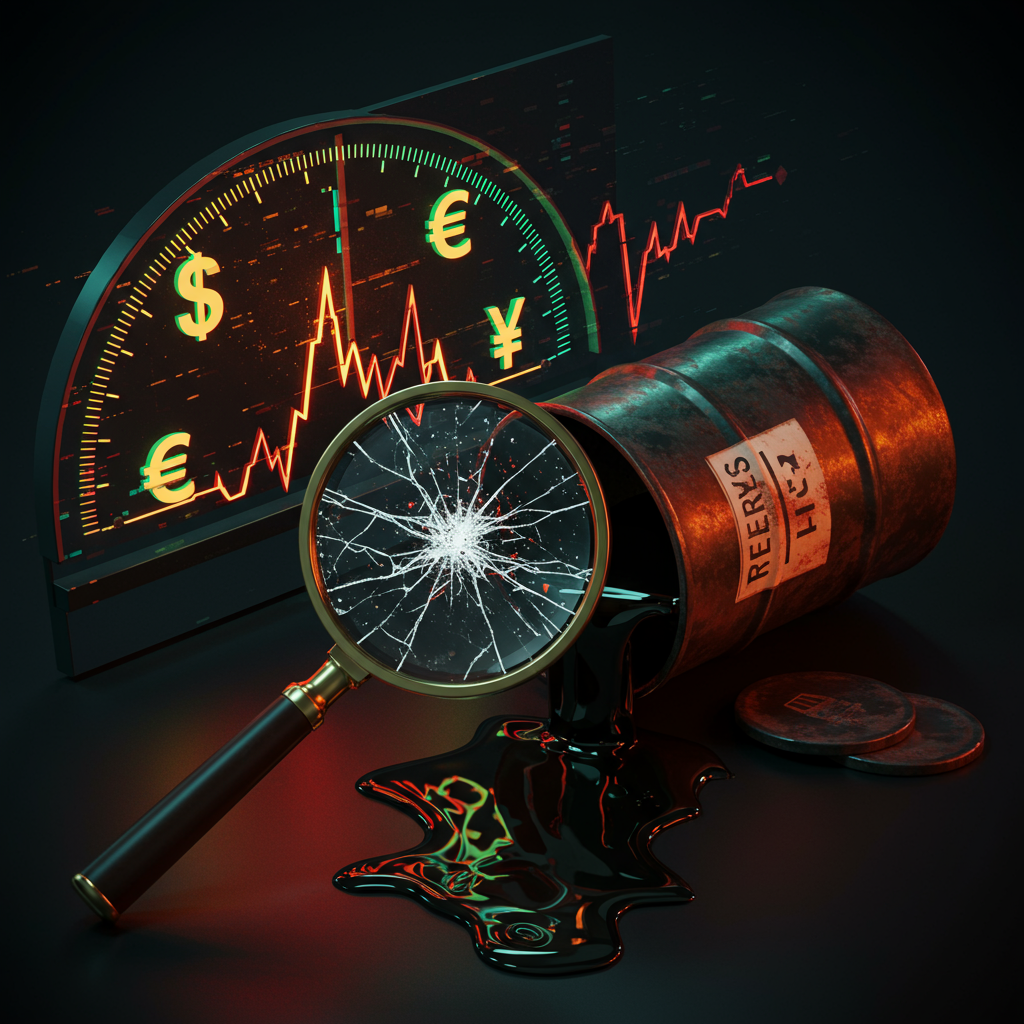
Detecting Exchange Reserve Drains
What Are Exchange Reserves?
Exchange reserves are the money that a company keeps. This money is used to help people buy and sell things. Companies use these reserves to make sure they have enough money for their customers.
Why Are Exchange Reserves Important?
Exchange reserves are important for many reasons. They help keep the market stable. When reserves are high, people feel safe to trade. When reserves are low, people might worry.
High reserves mean that a company can handle more trades. Low reserves can lead to problems and may cause prices to drop.
What Are Outflows?
Outflows happen when money leaves an exchange. This can happen for many reasons. People might want to take their money out or buy something else.
When outflows are high, it can mean trouble for the exchange. It shows that people are not confident in the exchange.
How to Detect Exchange Reserve Drains
Detecting reserve drains is very important. It helps exchanges know when to act. Here are some ways to find out if reserves are draining:
- Watch the total reserves regularly.
- Look at the outflow rates.
- Check for sudden drops in reserves.
- Compare reserves with trading volume.
Signs of Reserve Drains
There are some signs that show reserves might be draining. Here are a few:
- High outflow numbers.
- Less trading activity.
- People withdrawing money quickly.
Comparison of High and Low Exchange Reserves
| Feature | High Reserves | Low Reserves |
|---|---|---|
| Market Confidence | High | Low |
| Trading Activity | High | Low |
| Risk of Price Drops | Low | High |
How to Respond to Reserve Drains
If you notice reserve drains, it’s important to act quickly. Here are some steps you can take:
- Increase marketing efforts.
- Communicate with users about the situation.
- Consider adjusting fees or incentives.
Conclusion
Detecting exchange reserve drains is crucial for any exchange. By keeping an eye on reserves and outflows, exchanges can maintain market confidence. This helps everyone feel safe and secure when trading.
FAQ
What happens if exchange reserves are low?
If exchange reserves are low, people may lose confidence. This can lead to higher outflows and lower trading activity.
How can I monitor exchange reserves?
You can monitor exchange reserves by checking reports from the exchange. Many exchanges provide regular updates on their reserves.
Why do outflows matter?
Outflows matter because they show how much trust people have in an exchange. High outflows can signal problems.